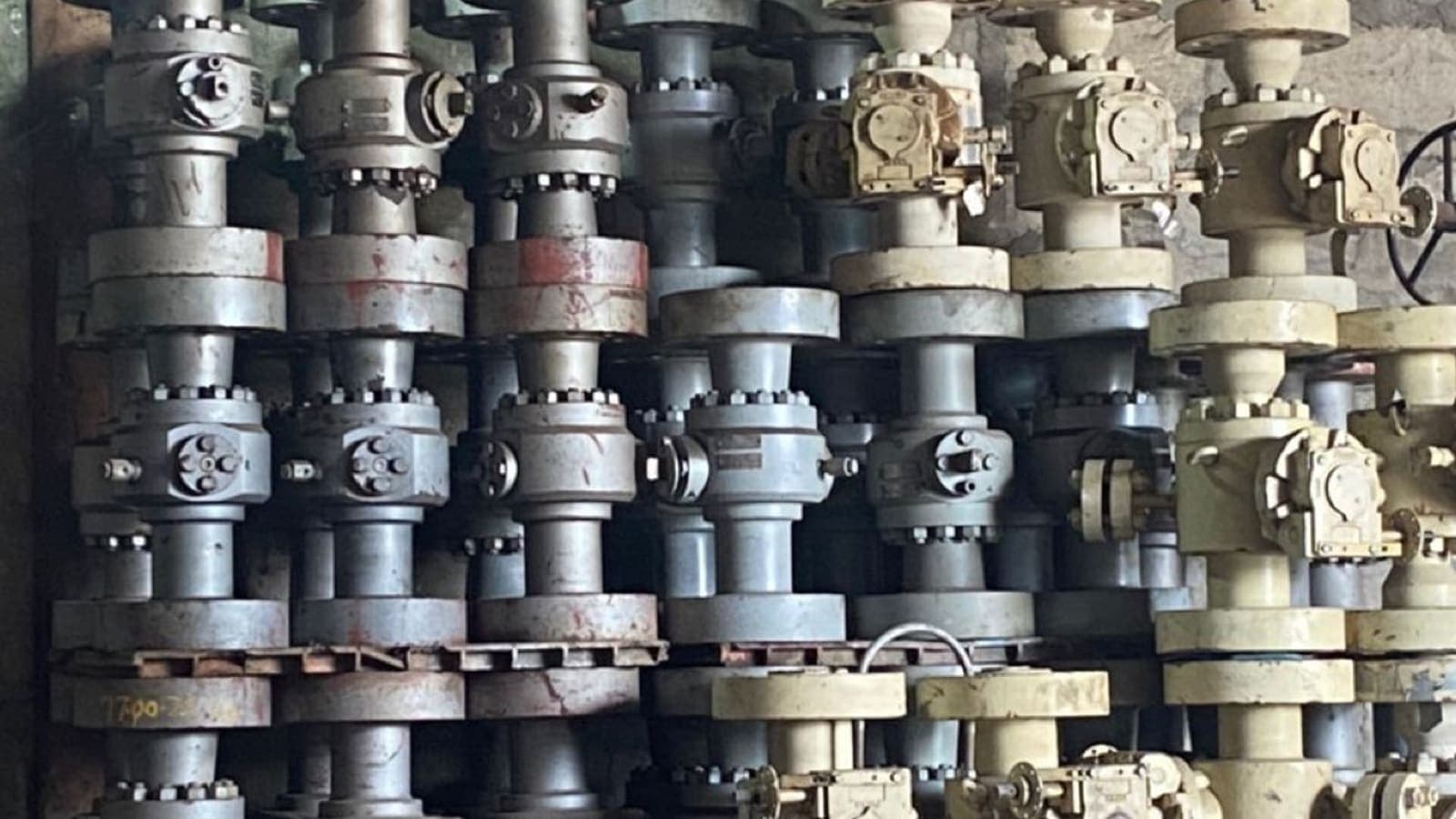
Triple-Offset Butterfly Valves: When Standard Valves Aren't Enough
Triple-offset butterfly valves seal bubble-tight in metal-seated designs without the seat rubbing of older types. Here is how they work and where they fit.
Picking the wrong valve costs time and money. Here is a short guide to the most common valve types, what each does best, and what to check before you order.

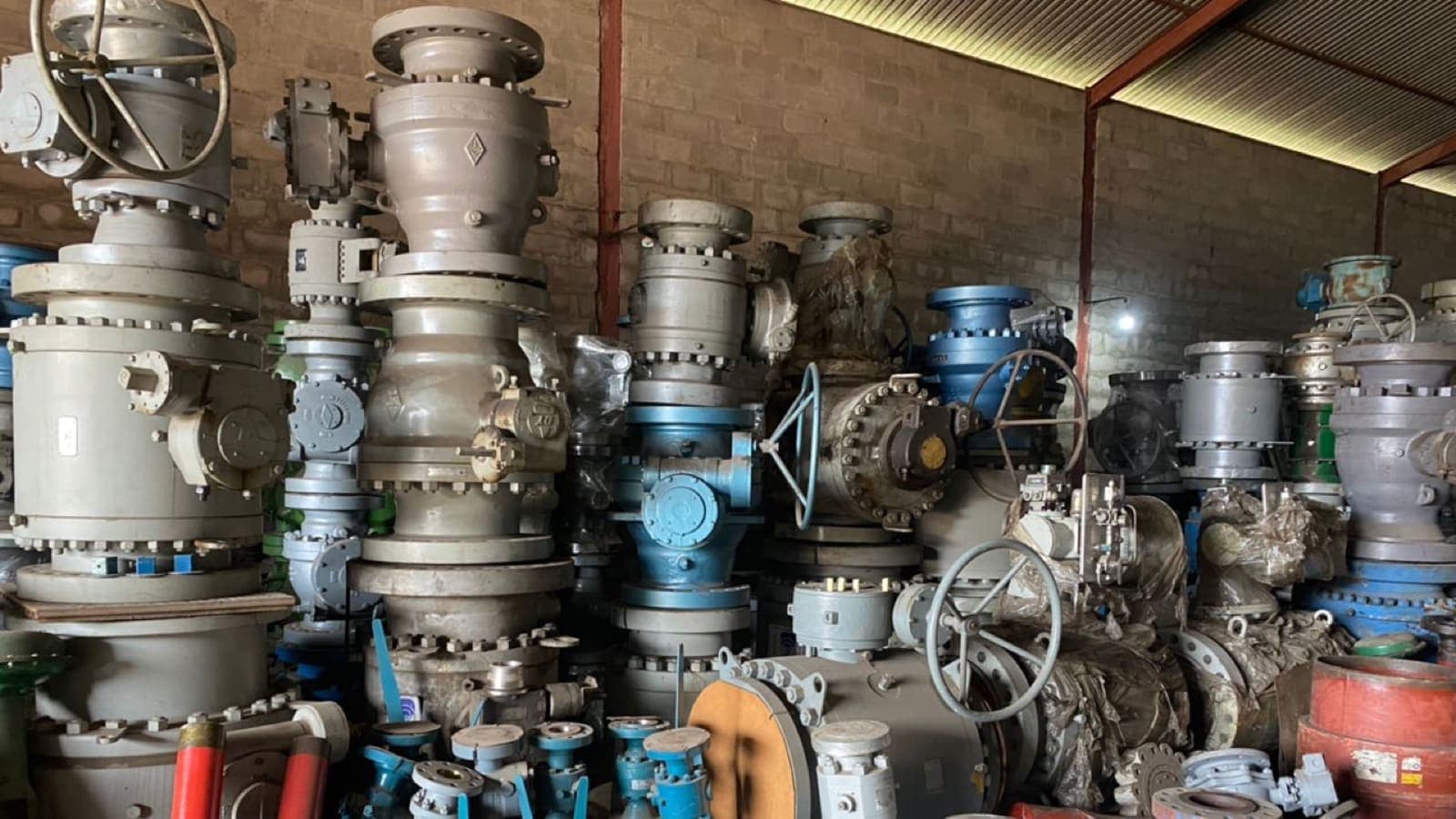
Choosing the wrong valve means leaks, slow operation, early wear or a rejected delivery. The good news: most decisions come down to three questions. What does the valve need to do, what is flowing through it, and what standard must it meet?
Valves do one of three things: isolate flow (on or off), regulate flow (throttle it), or prevent backflow. Each valve family is built for one of these.
Gate — best for: fully open or fully closed isolation with low pressure drop. Watch out for: not for throttling; slow to operate; seats can wear if left partly open.
Globe — best for: regulating or throttling flow. Watch out for: higher pressure drop than gate or ball.
Ball — best for: fast quarter-turn shut-off with tight sealing. Watch out for: standard designs are not meant for fine throttling.
Butterfly — best for: large lines where space and weight matter. Watch out for: seat and disc design limit pressure and temperature unless it is a high-performance type.
Check — best for: automatically stopping backflow. Watch out for: needs enough flow to open fully; choose swing, dual-plate or lift type for the service.
Plug — best for: compact quarter-turn shut-off. Watch out for: torque can be high in larger sizes.
Needle — best for: fine flow control in small lines and instruments. Watch out for: small flow capacity.
Ball valves come in two common styles. In a floating ball valve the line pressure pushes the ball against the downstream seat. This works well in smaller sizes and lower pressure classes. A trunnion-mounted ball is held in place by shafts at the top and bottom, so seat loads stay manageable in larger sizes and higher pressures.
Is the duty isolation, regulation or non-return?
What are the line size and the pressure class (for example Class 150, 300, 600)?
What are the operating and design temperatures?
What is the fluid: clean gas, crude, water, or something corrosive, abrasive or sour?
Which material is specified for body, trim and seats?
Which design and testing standards apply, for example API 6D for pipeline valves, API 600 for steel gate valves or ASME B16.34 for pressure-temperature ratings?
What end connections do you need: flanged, butt-weld or threaded?
Your project datasheet normally answers all seven. If something is missing, ask your engineer before you order. It is cheaper than a return.
We supply gate, globe, check, plug, needle, ball, floating ball, triple-offset butterfly, butterfly, pressure relief and pinch valves. Send us your datasheet or item list and we will match it. Request a quote, or see everything we stock on our procurement and supply page.
Triple-offset butterfly valves seal bubble-tight in metal-seated designs without the seat rubbing of older types. Here is how they work and where they fit.
Soft ground, creeks and tides change how projects are built in the Niger Delta. Here is why amphibious equipment matters and how to plan a hire.
A vague enquiry gets a vague price. Use this checklist to write a request for quotation that suppliers can answer quickly and accurately.
Tell us what you need. Our team will come back with pricing, availability and lead times.
0 Comments
Loading comments…